
Beyond Projects and Reports: Eight Things We Want to See in the Climate Adaptation Landscape This Year
 At PlanAdapt, we work to enable climate adaptation that is effective, economically just, and socially inclusive. But this work does not happen in a vacuum. Recent insights underscore a critical reality: climate risks are compounding, and the window for incremental change is closing (Global Risks Report 2026, Planetary Health Check 2025).
Faced with this escalating urgency—alongside the establishment of the Global Goal on Adaptation and rapidly changing funding models—we find ourselves asking a bigger question: beyond the immediate crisis, where is the adaptation field actually heading?
As we look ahead to 2026, we asked our team to answer the question - "What developments do you hope to see in the adaptation landscape in 2026"?
Methodological Courage in Research
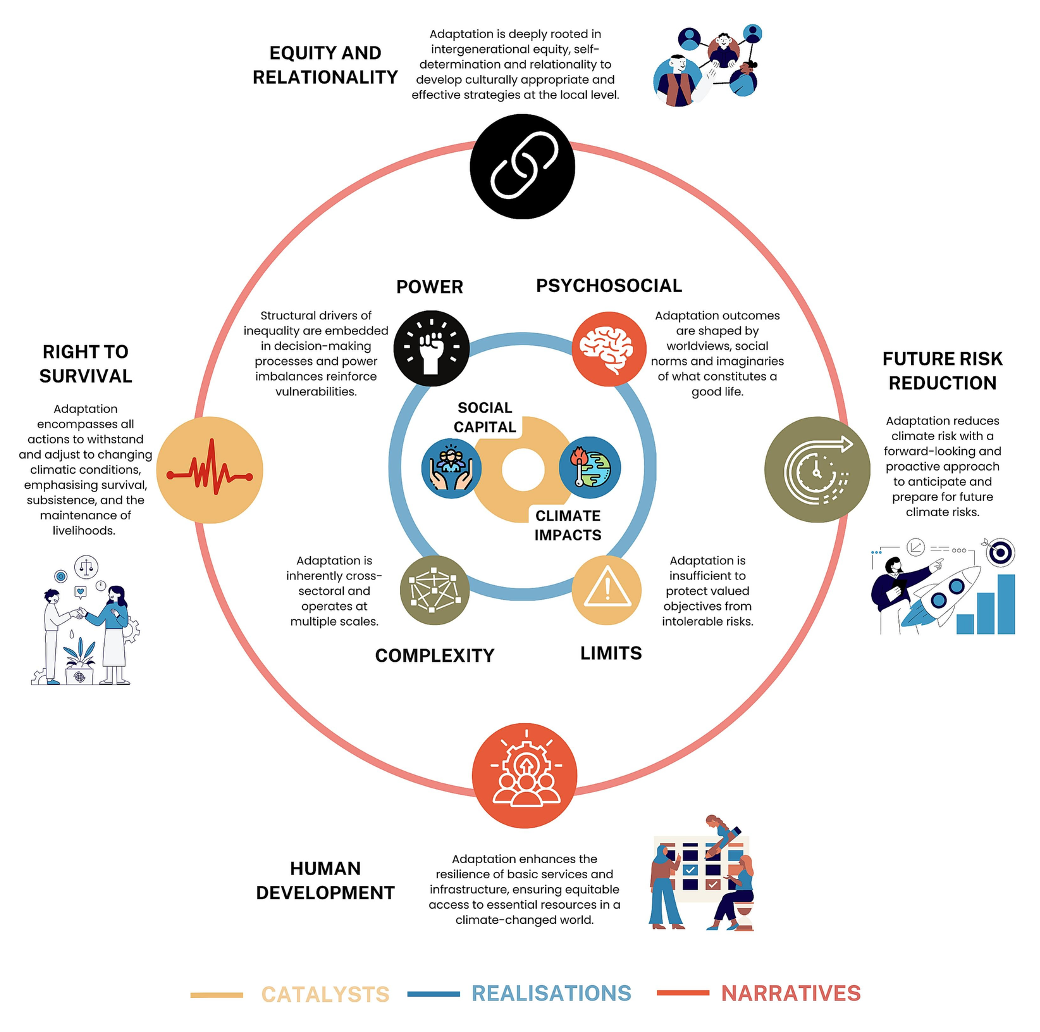
By 2026, climate adaptation research must move beyond incremental refinement and solutionist framework towards a deeper epistemic and methodological recalibration. Recent scholarship increasingly recognises adaptation as messy, uneven, and yet, struggles to move beyond acknowledging complexity in principle. Studies by Amorim-Maia and Olazabal (2025), Singh (2024) and Srivastava et al. (2025) collectively show that adaptation unfolds through power, contestation, and differentiated agency, processes that are routinely obscured by technocratic metrics and measurable outcomes.
Taken together, these contributions suggest that the core challenge for adaptation research is no longer conceptual novelty but methodological courage. What is required is scholarship that treats uncertainty, politics, and knowledge of pluralism not as variables to be controlled, but as constitutive conditions of adaptation itself. This calls for greater investment in transdisciplinary, longitudinal, and co-produced research designs that can trace how adaptation unfolds across scales and over time. In this sense, adaptation research in 2026 must be less concerned with prescribing solutions and more committed to (un)learning the power-laden structures that shape whose adaptation counts, how it is recognised, and why.
A Shared Vision for Effectiveness
by Saila Toikka
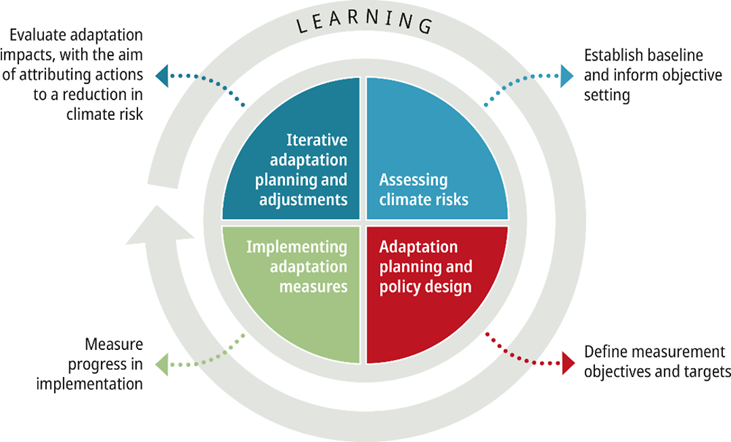
In 2026, I wish to see the continuation of constructive debate on adaptation effectiveness, and steps to be taken towards a shared understanding of how Global Goal on Adaptation (GGA) progress can be assessed.
At best, the new GGA indicator framework, its future refinements and technical guidelines can serve as one platform for this, raise adaptation ambition and support evidence on effectiveness.
Redefining Innovation for Climate Adaptation
 One hope for progress in climate adaptation in 2026 is a course correction in how “innovation” is defined and funded. Too often, adaptation innovation finance gravitates toward high-input, technology-led solutions, with SMEs and start-ups treated as the default engines of impact. These biases risk crowding out the forms of innovation that actually sustain resilience on the ground.
Low-tech, social and institutional innovations—often driven by community-based organisations, informal institutions, or autonomous adaptation practices—remain chronically underfunded and undervalued. A more mature adaptation ecosystem would diversify its entry points, funding instruments and notions of success, recognising that many of the most scalable and durable adaptation solutions start without pitch decks, venture logic or proprietary technology.
Embracing Complexity in Planning
by Sam Greene
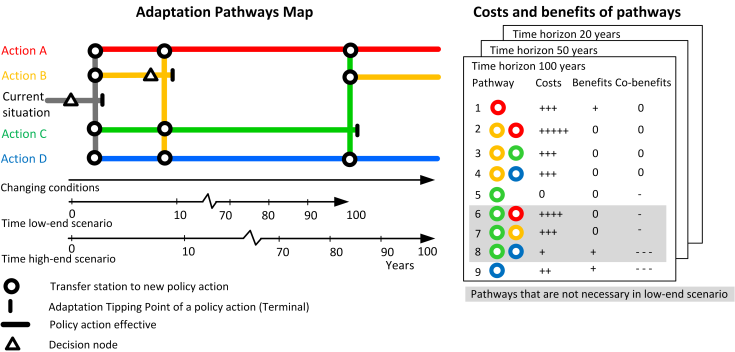
Adaptation planning has a problem. Our world is complex, interconnected and increasingly volatile — with climate uncertainty compounding social, political, and economic turbulence. Yet, adaptation efforts proceed as if short participatory assessments and few local focus groups are enough to deliver locally led, transformational, and ecologically restorative outcomes. While participation is essential, such approaches are rarely adequate on their own. They tend to flatten complexity, capturing only partial snapshots of community aspirations, knowledge, and priorities, and often fail to meaningfully combine these with new technologies, external insights, and longer-term system dynamics.
In 2026, I hope to see greater recognition of the need for more sophisticated planning approaches. For example, combining tools and perspectives across multiple planning cycles to build a richer picture of resilience, risk, and uncertainty. I hope to see more accessible methods that help communities make sense of complex, “messy” systems and weigh the trade-offs of different pathways of change against their own values. And perhaps most importantly, I hope national priorities begin to align with these local priorities — rather than the other way around.
Adaptation Without Borders
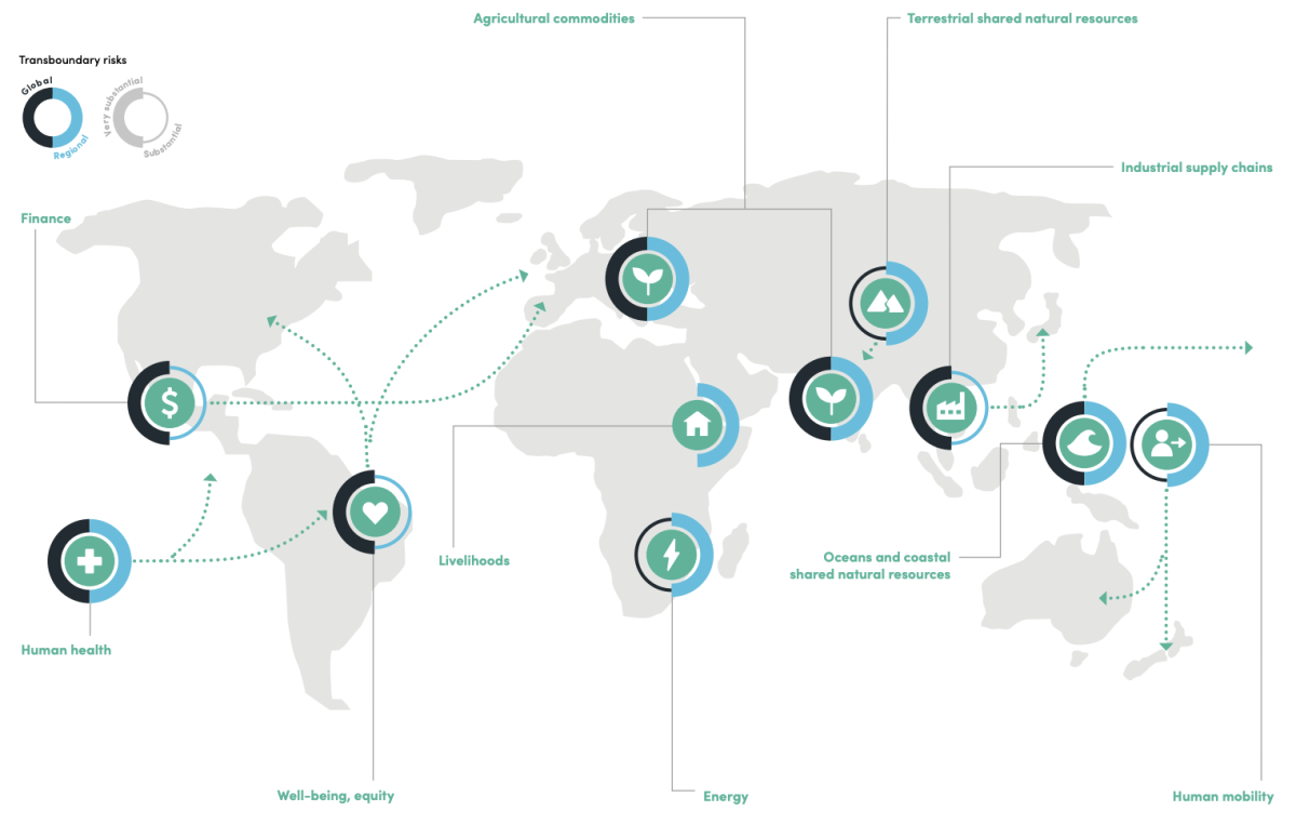
In 2026, I hope to see adaptation move beyond fragmented, sector-by-sector action towards approaches that are genuinely connected across regions, sectors, and disciplines. Climate risks do not follow administrative boundaries - they spread across sectors and borders in complex ways, yet dedicated strategies and policies to manage these transboundary risks remain largely absent (Adaptation Without Borders et al., 2023). At the same time, climate change adaptation and disaster risk management continue to operate in parallel silos within governments, with insufficient harmonization and coordination across line ministries and sectors to enable coherent, long-term responses.
In practice, stronger bridging roles and cross-sectoral coordination are needed to overcome this fragmentation, as policies still tend to prioritise short-term disaster response over sustained, long-term adaptation (Braunschweiger, 2022; Russel et al., 2020). The IPCC AR6 is clear that climate resilient development depends on decisions, finance, and actions being aligned across sectors and timeframes (IPCC, 2022). This was also a key message at the 9th APAN Forum in Bangkok, where many participants called for a shift from isolated and siloed projects to more systemic and programme-based approaches that connect finance, governance, and knowledge systems (PlanAdapt, 2025).
Connecting Global Frameworks to Local Practice
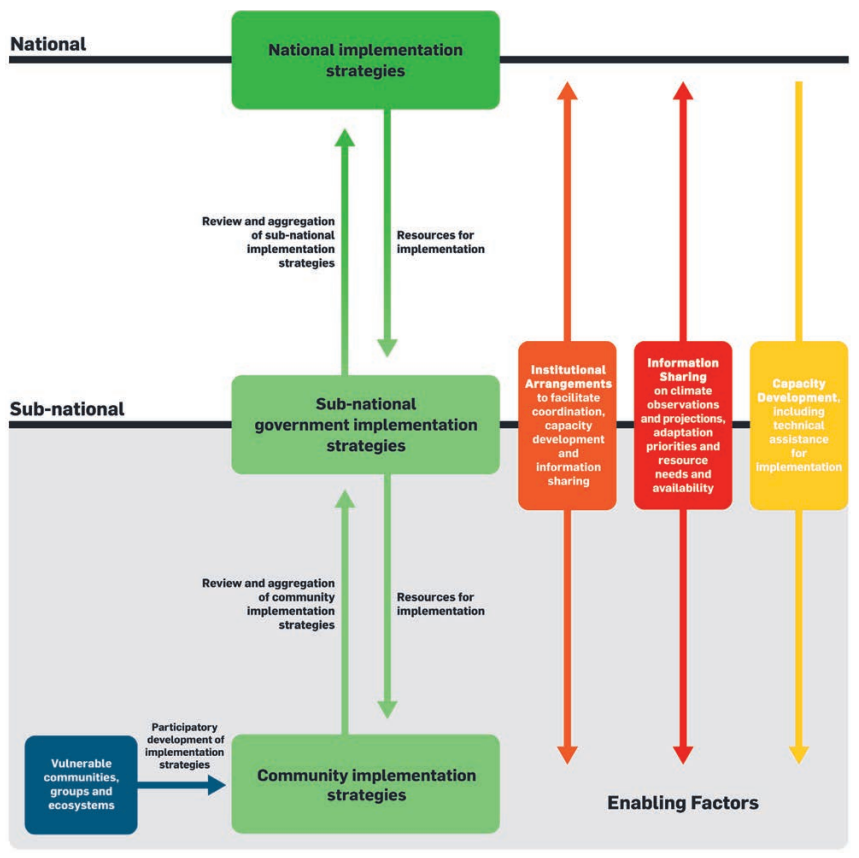
In 2026, I would like to see further integration of global governance frameworks, national planning, and place-based awareness and practice.
This could be, for instance, how NAPs could integrate diverse knowledge sources while maintaining rigor and implementation effectiveness, while also engaging in more of a dialogue with global processes than presently occur.
Reporting on Inclusion and Impact
The 2025 Adaptation Gap Report called for more detailed reporting on outcomes and impacts of adaptation actions, including on gender equality and social inclusion, to strengthen assessments of effectiveness and adequacy. While aimed at governments' Biennial Transparency Reporting, this recommendation is relevant to all actors facilitating adaptation action.
Advancing Nature-based Solutions through Innovative Financing
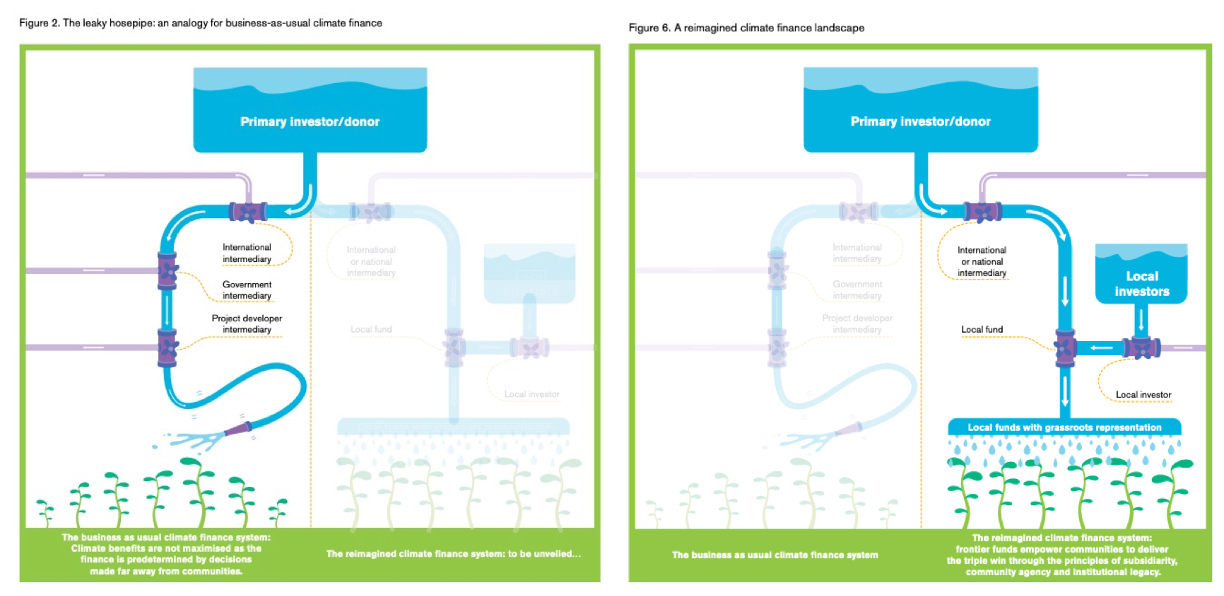
Nature-based Solutions (NbS) have proven to reduce people’s socio-economic exposure and sensitivity to climate change, while enhancing their adaptive capacity (Sack, Pahwa Gajjar, Reid and Pandey, 2025). I would like to see increased adaptation funds and innovate financing mechanisms towards locally led NbS and bioeconomy initiatives. A move in this direction can help diversify livelihoods and income streams of communities, while increasing their climate resilience. Adaptation funds for NbS and bioeconomy initiatives can rely on evidence-based monitoring methods and recruit diverse actors from existing networks and adaptation ecosystems, such as climate adaptation researchers, NGOs, innovators, and the private sector. For example, institutions associated with research programmes such as CLARE have well-established relationships with practitioners and community-based actors, through their participatory research methodologies such as Labs.
It would be a step forward towards longer-term impact, to channel adaptation implementation (and funds) through existing adaptation research networks (such as the ARA and CLARE) and science-society alliances.